Search

Search

Take Advantage of Extra Savings on Packages - Contact Us For Sound Advice Planning Your System

Home Theatre Design

Plan your Jensen Dolby home theatre speaker layout, room size, channels, subwoofer and receiver package online.

Home Theatre Design Guide

Home theatre design that works in real Australian rooms

Great home theatre design is not about cramming the most speakers into a room. It is about choosing the right speaker layout, placing each channel where it can do its job, and matching the system to the way the room is actually built. That is especially true for Australian living rooms, open-plan spaces, theatre rooms, alfresco areas, and renovations where clean finishes matter just as much as explosive movie sound.

JENSEN systems are built around clutter-free in-wall and in-ceiling speakers, so the design can stay clean without giving up the performance you expect from a proper Dolby home theatre. Plan the room, match the channels, then choose the speakers, subwoofer, and AV receiver that make sense for the space.

Jensen 7.1 home theatre design package with in-wall front speakers, in-ceiling speakers and AV receiver
Example Jensen home theatre package with hidden in-wall speakers, angled in-ceiling speakers, subwoofer and AV receiver.
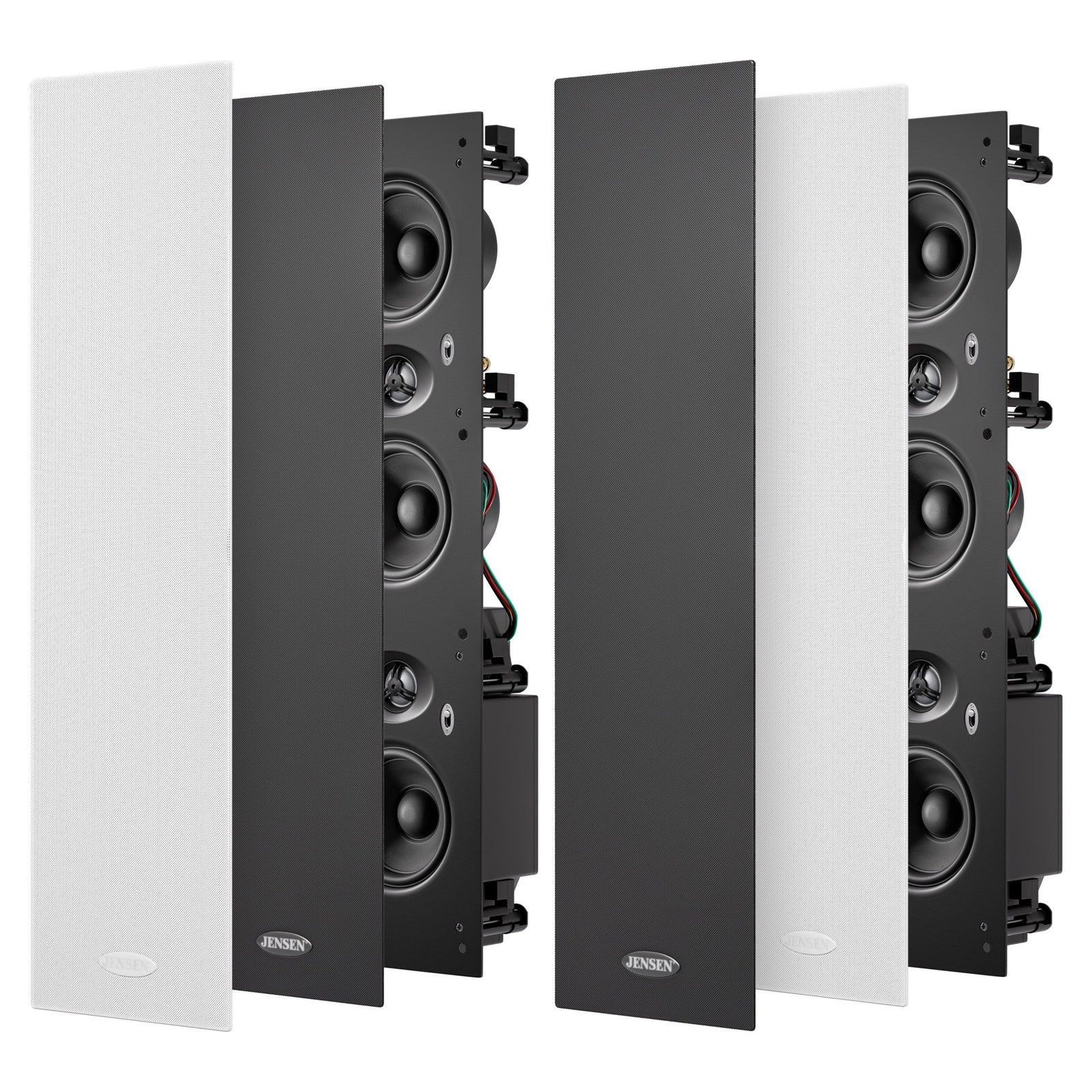
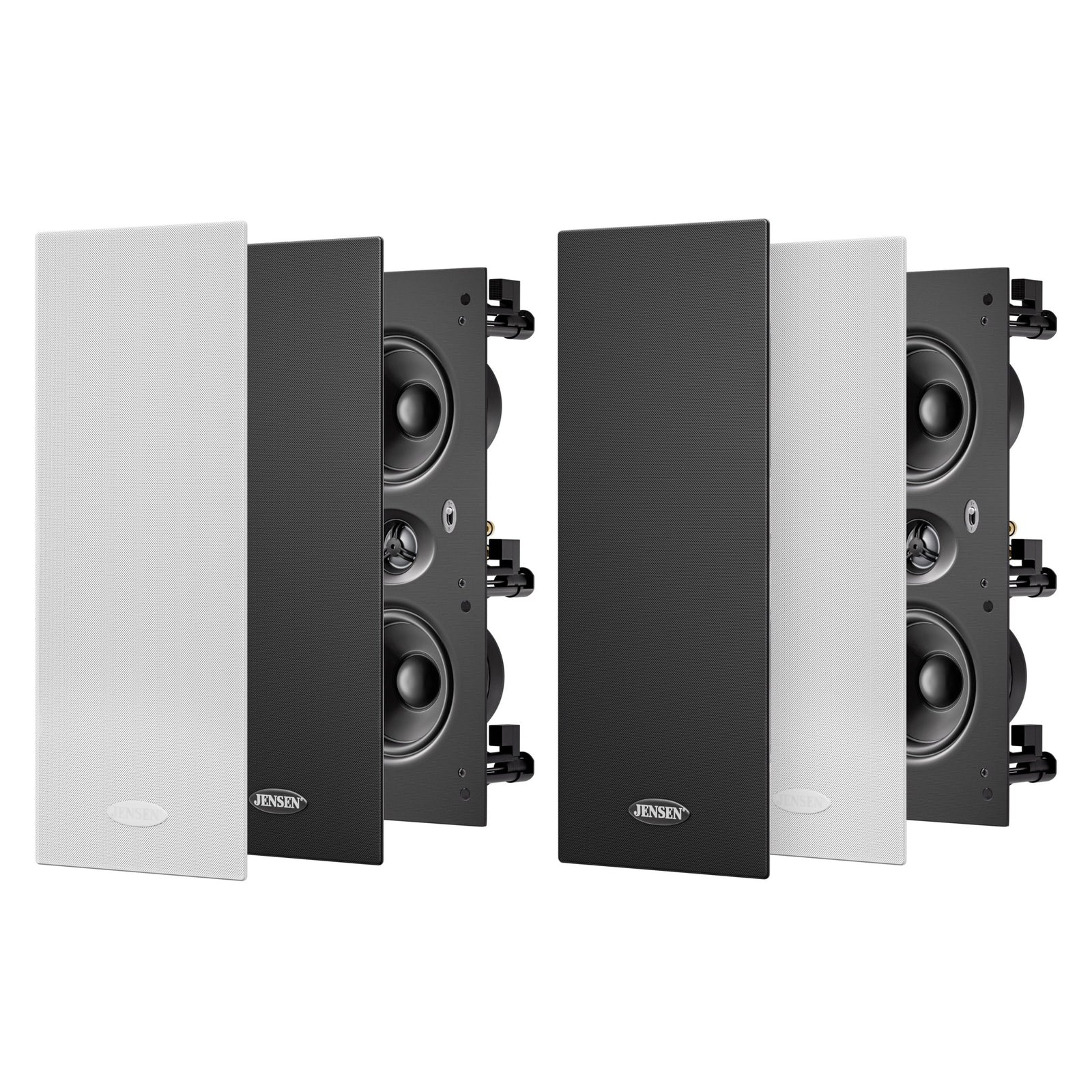
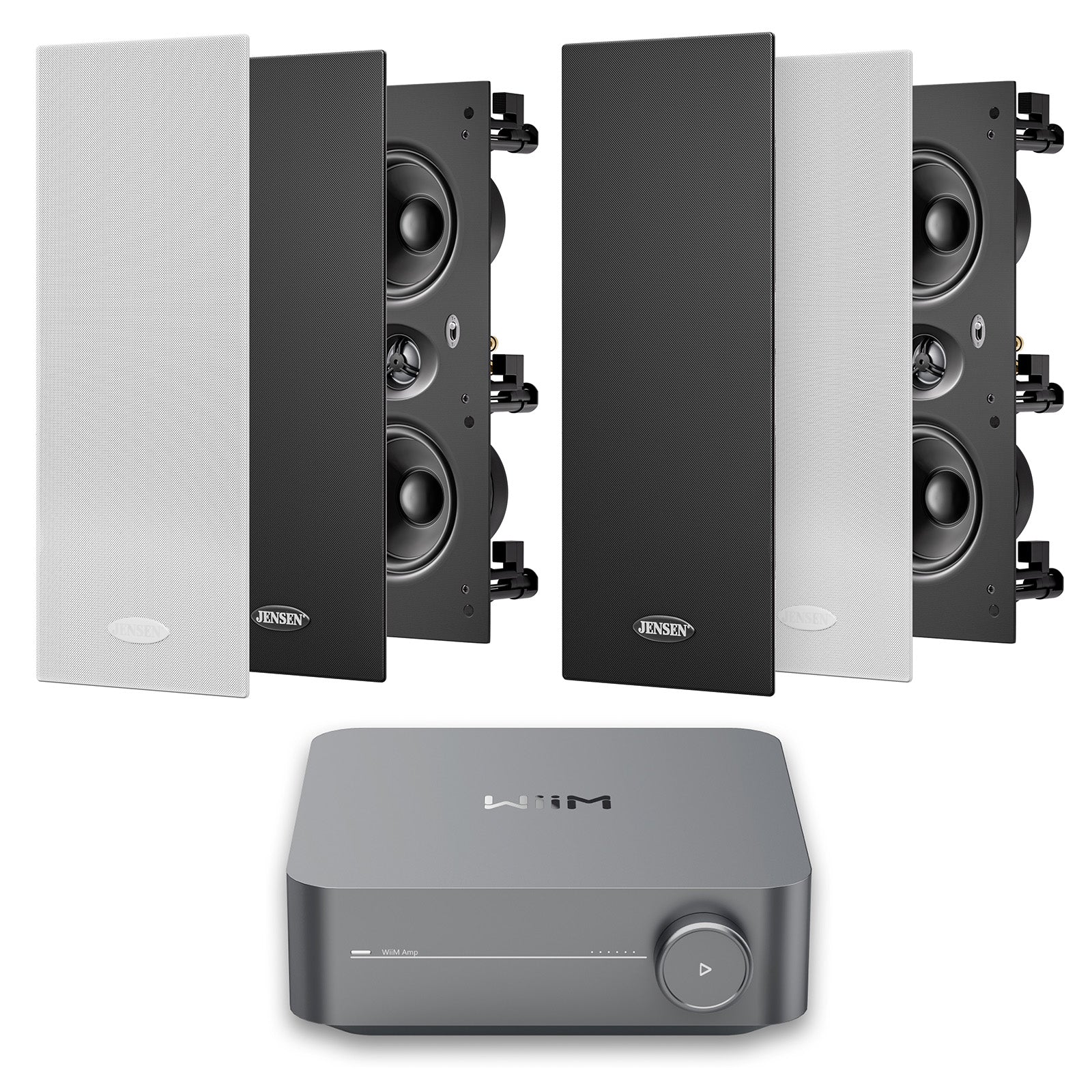
Jensen ELITE-203 in-wall speaker for front left centre and right home theatre channels
Use in-wall speakers for the front stage when the wall layout allows voices and screen action to stay close to ear height.
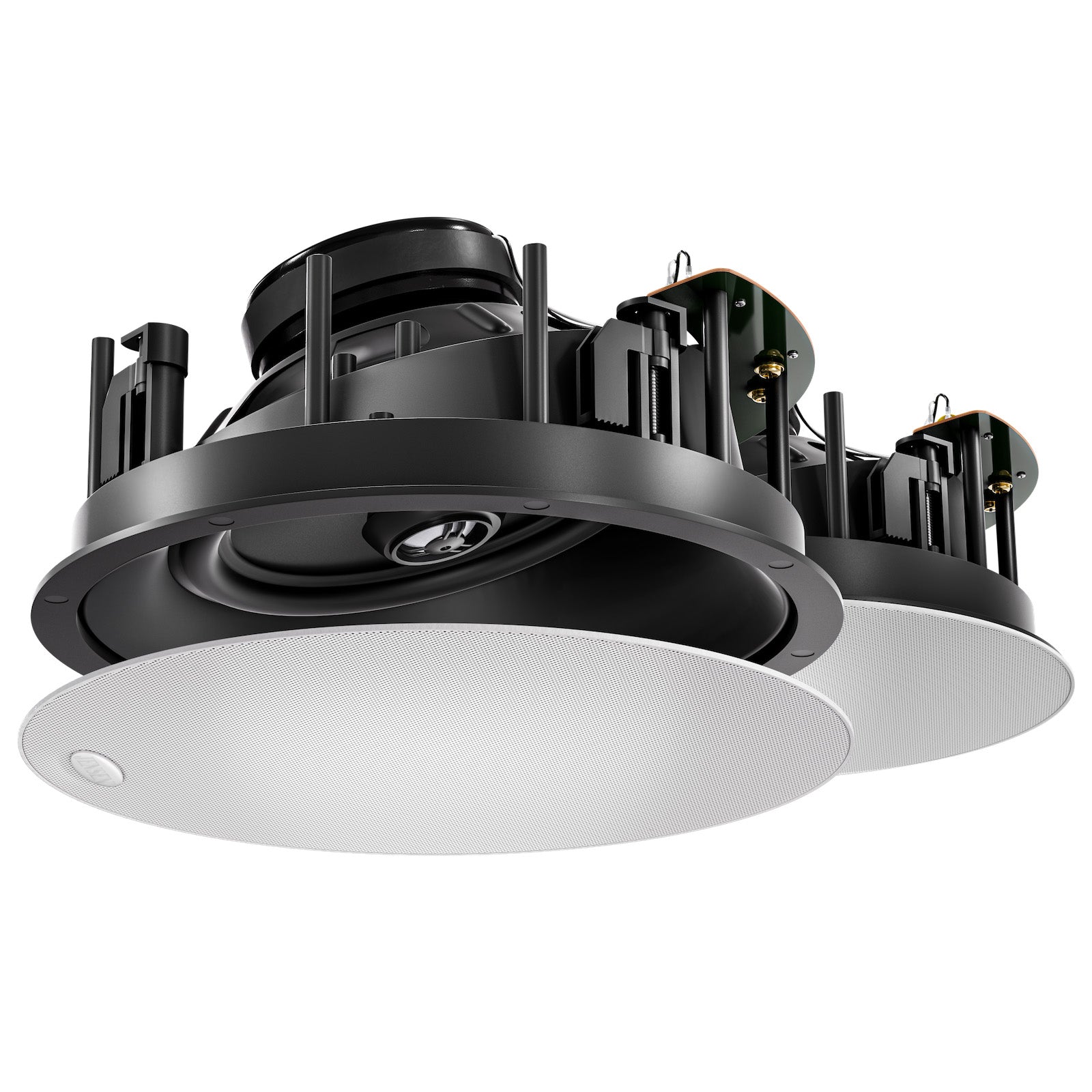
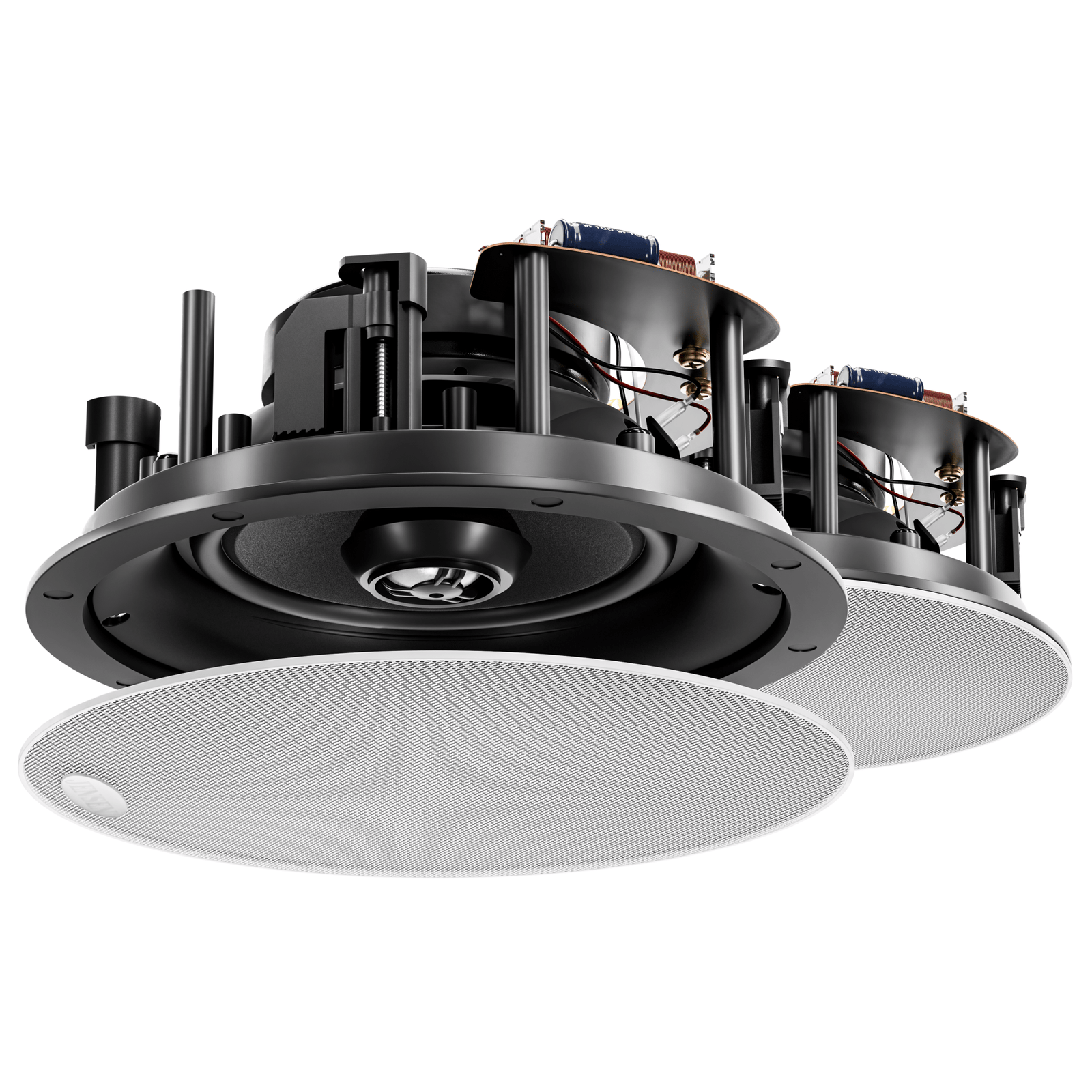
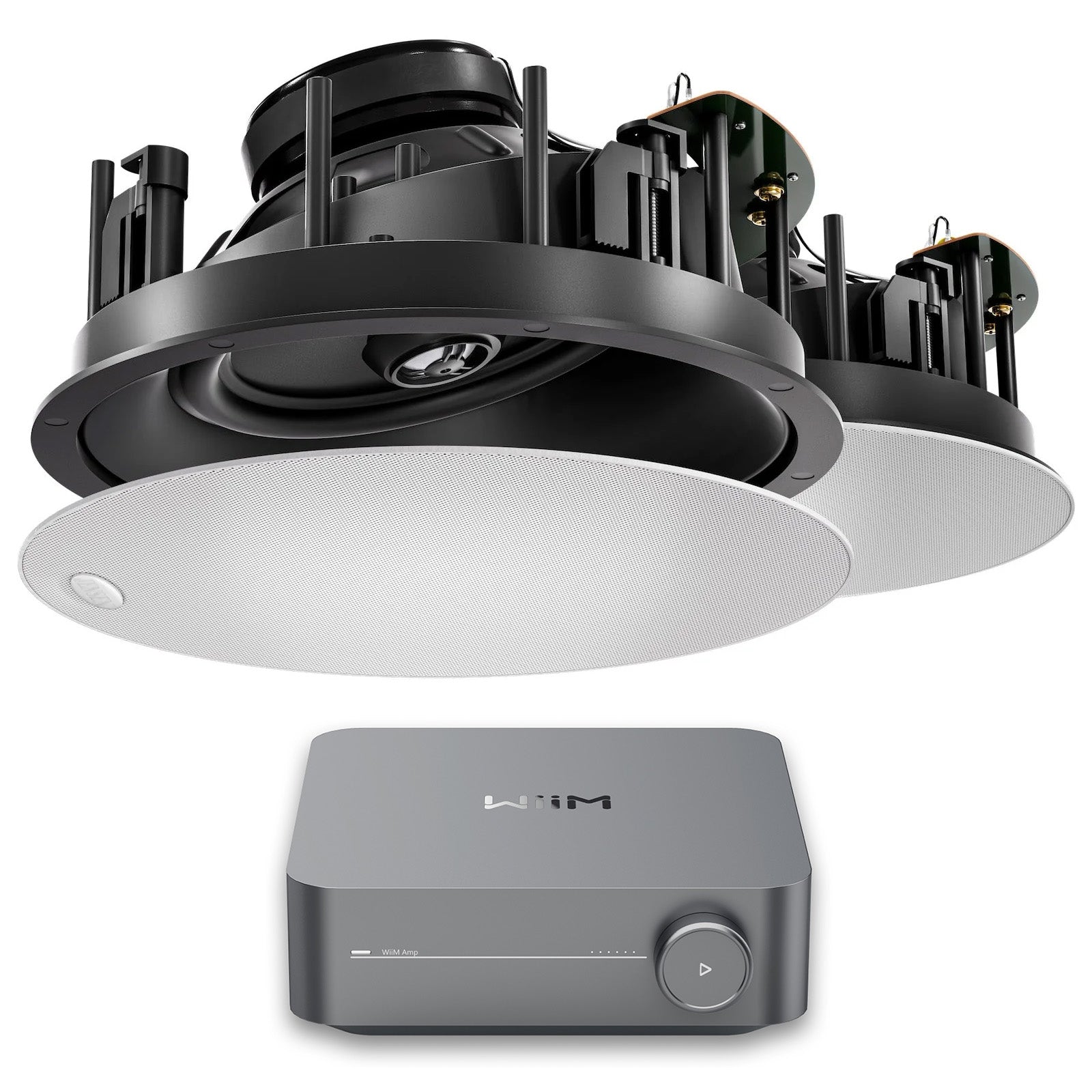
Jensen ELITE-404 angled in-ceiling speaker for Dolby Atmos and ceiling speaker placement
Use the ELITE-404 where the design needs angled in-ceiling sound for Atmos, surrounds, or front ceiling positions.

How to use the home theatre design tool

  1. Choose the room type first. Pick the room shape that best matches the space, then enter accurate room dimensions, screen size, and listening distance. Small measurement changes can move the ideal speaker positions.
  2. Review the speaker options as they appear. The tool updates the speaker, subwoofer, and receiver package as you change the room, channel count, colours, and layout.
  3. Use in-wall speakers at the front when the room allows. Front left, centre, and right channels usually work best closer to screen height. If the room needs front in-ceiling speakers instead, the JENSEN ELITE-404 is the preferred ceiling option because its fixed 15 degree dispersion horn helps aim sound back toward the listening area.
  4. Check the 3D planner in top view. Hover over speaker positions on desktop, or tap them on mobile, to see the available placement options and measurement labels.
  5. Continue when the layout is right. Enter your email to save your progress and download a PDF placement plan with speaker positions, room measurements, and wiring diagrams for the installer.

Start with the speaker layout

A 5.1 system suits many rooms, while 7.1 and Dolby Atmos layouts suit larger spaces or dedicated theatre rooms. The right layout depends on seating position, room width, ceiling access, and how close the speakers can sit to the ideal angles.

Keep the room clean

In-wall speakers work beautifully across the front stage when wall space allows. In-ceiling speakers are ideal for Atmos height channels, rear or side surrounds, and rooms where you want big hidden sound without boxes, brackets, or dust traps.

Match the package properly

A home theatre package should balance speaker count, subwoofer output, receiver channels, and installation access. The best result is a system that has enough power and bass for the room without buying gear that the layout cannot use.

What to check before choosing speakers

  • Room length, width, ceiling height, and main seating position.
  • Wall and ceiling cavities for speaker depth, cut-outs, and wiring access.
  • Whether the front stage can use in-wall speakers or needs a mixed layout.
  • How many subwoofers the room needs for strong, even bass.

Use placement as the reality check

Dolby layouts are useful, but the room still decides what will work. If the seating is hard against a wall, the ceiling is raked, or the screen is off-centre, the design should adapt. The JENSEN Dolby speaker placement guides are a good next step when comparing layouts.

Home Theatre Design FAQs

What is home theatre design?
Home theatre design is the process of matching speaker layout, speaker placement, room size, receiver channels, subwoofer choice, and installation details so the system works as one complete package.
What speaker layout is best for my room?
Many living rooms suit 5.1. Larger rooms and dedicated theatre spaces can benefit from 7.1 or Dolby Atmos layouts such as 5.1.2, 5.1.4, or 7.1.4. Seating position and room access matter more than chasing the biggest channel count.
Are in-ceiling speakers good for home theatre?
Yes, when they are used for the right channels. In-ceiling speakers are a strong choice for Dolby Atmos height channels, surrounds, rear channels, and music zones where you want a clean room with powerful sound.
Should I use in-wall or in-ceiling speakers?
Use in-wall speakers where possible for the front left, centre, and right channels because they can place voices and screen action closer to ear height. Use in-ceiling speakers where the room, ceiling, or Atmos design makes them the better fit.
Do I need Dolby Atmos?
Dolby Atmos is worth considering if the ceiling layout allows proper height speaker placement and you want more immersive movie sound. If the room cannot support it cleanly, a well-planned 5.1 or 7.1 system can still sound brilliant.
Can Jensen help with the final design?
Yes. If the room has unusual dimensions, limited wiring access, or you are choosing between two layouts, send the plan through before ordering. A quick design check can save a lot of rework once the speakers and cables are in.

Planning a new build, renovation, or retrofit? Use this page to get the package close, then contact JENSEN for sound advice before the final install.

>